

Aloe is one of the most famous medicinal plants that mankind has been using for thousands of years. Its juicy leaves hide a real treasure - a gel rich in nutrients. This plant helps not only with skin problems, but also with gastrointestinal diseases, colds, and even cardiovascular ailments. Due to its unique properties, aloe has become an indispensable component in folk and official medicine. Let's learn more about this miraculous plant and its health benefits.
What Is Aloe?
Aloe is a genus of evergreen succulent plants with more than 500 species. The most famous among them are aloe vera and aloe tree. This plant grows in arid regions of Africa, the Arabian Peninsula, and South America. Aloe is widely used in cosmetics, medicine, and even in the food industry. Its unique chemical composition makes it a powerful tool for maintaining health.
Features of the Plant

Aloe is distinguished by its appearance and chemical composition, which determines its medicinal properties.
- Juicy leaves - contain a gel rich in vitamins, enzymes and antioxidants.
- Fast reproduction - easily roots and grows at home.
- Drought resistance - retains moisture in the leaves, which helps to survive in extreme conditions.
- Bitter taste - due to the presence of alloyin, which has strong biological activity.
What Are the Healing Properties of Aloe?

Aloe has a wide range of healing effects that make it used in folk and traditional medicine.
Strengthening the Immune System
Aloe gel contains antioxidants and vitamins that help the body fight viruses and bacteria. Regular consumption of aloe juice promotes the production of immune cells and increases the body's overall resistance to disease. It is especially useful during seasonal colds. In addition, aloe helps to recover faster from illnesses.
Treatment of Skin Diseases
Due to its antiseptic and regenerative properties, aloe effectively heals wounds, burns, cuts and acne. Aloe gel relieves redness, moisturizes the skin and promotes its rejuvenation. It also helps with psoriasis, eczema and other dermatological problems. Many cosmetic products contain aloe extract to care for sensitive skin.
Improving the Functioning of the Digestive System
Aloe helps with gastritis, stomach ulcers, and constipation. Its juice stimulates the production of gastric juice, improves digestion and relieves inflammation in the intestines. It also acts as a mild laxative, helping to cleanse the body of toxins. However, it is important to observe the dosage to avoid irritation of the mucous membrane.
Support for the Cardiovascular System
Studies show that aloe helps to lower cholesterol and improve blood circulation. Its bioactive components dilate blood vessels and reduce the risk of blood clots. Regular consumption of aloe juice helps to stabilize blood pressure and maintain heart health. This makes it useful for people suffering from hypertension.
Can I eat aloe?
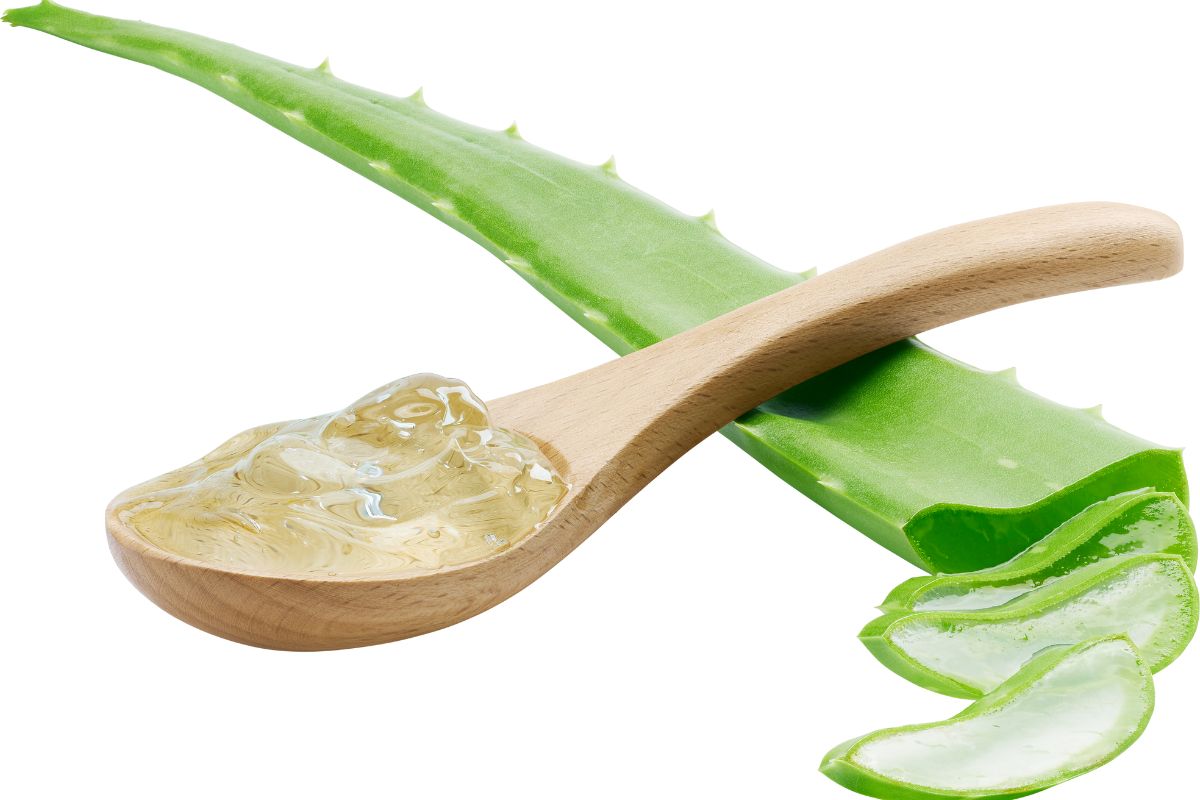
Aloe can be eaten, but not all parts of it are safe. The gel contained inside the leaves of aloe vera is beneficial for health and is often used in drinks, desserts, and supplements. However, the yellow latex that is between the skin and the gel can be toxic and cause digestive problems. You should thoroughly clean the gel from any latex residue before use. It is also important not to exceed the recommended amount, as excessive consumption can cause unwanted side effects.
Aloe is a natural healer that helps with many diseases and maintains health. It is used to strengthen the immune system, treat skin, improve digestion, and support the cardiovascular system. However, it is important to dose it properly to get the maximum benefits without side effects. Use aloe wisely, and this unique plant will become your reliable ally in maintaining your health.