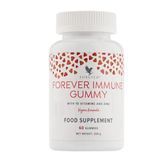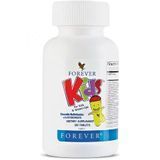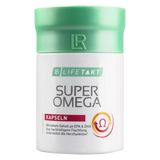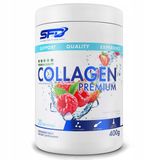

In today's world, people are increasingly concerned about their health and nutrition. However, even the most carefully planned diet does not always provide the body with all the necessary substances. This is where biologically active additives (BAAs) come in - special products that can supplement your diet with vitamins, minerals, and other nutrients. But what exactly are dietary supplements, what are they for, and should you use them? Let's take a closer look.
What are dietary supplements?
Dietary supplements are complexes of biologically active substances used to maintain health and strengthen the body. They are not medicines, but only complement the diet, helping to fill the deficiency of vitamins, minerals, or other useful components. They are most often produced in the form of capsules, tablets, powders, or liquid extracts. Dietary supplements can contain natural ingredients (plant extracts, fish oil, probiotics) or synthetic analogues of the necessary substances. The use of dietary supplements has become popular due to the modern pace of life, unhealthy diet and environmental factors that affect the absorption of nutrients. However, it is worth remembering that it is not a substitute for a complete diet, but only a supplement.
What are dietary supplements for?
Dietary supplements have several important functions. They help to fill in nutrient deficiencies that can occur due to an unbalanced diet. They also support the immune system, helping the body fight infections and stress. Dietary supplements improve metabolism, which contributes to the normal functioning of internal organs, and help reduce the risk of chronic diseases due to antioxidants and other beneficial components. They contribute to the normal functioning of the brain by improving memory and concentration, and have a positive effect on the condition of the skin, hair, and nails due to additional sources of vitamins and minerals. Dietary supplements can be a useful addition to the diet, especially when the body needs additional support.
Types of dietary supplements
Dietary supplements are divided into several main categories depending on their purpose:
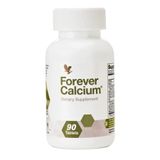
- Vitamin and mineral complexes - contain vitamins (A, B, C, D, E) and minerals (magnesium, zinc, calcium, iron) that are important for the body.
- Probiotics and prebiotics - support healthy intestinal microflora.
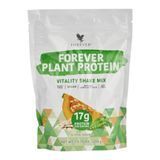
- Amino acids and protein supplements - important for athletes and people who are actively engaged in physical activity.
- Antioxidants - help fight aging and protect cells from damage.
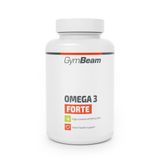
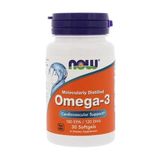
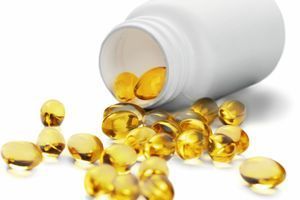
- Omega-3 and other healthy fats - support the functioning of the heart, brain, and joints.
- Plant extracts - used to support the liver, cardiovascular system, nervous system, etc.
Who can benefit from dietary supplements?
Dietary supplements can be useful for different categories of people. They are especially needed by those who have a deficiency of vitamins and minerals due to poor nutrition. People living in environmentally unfavorable conditions or working in hazardous industries may also need additional nutrients. Pregnant women and breastfeeding mothers need more nutrients to maintain their health. For athletes, dietary supplements help to strengthen muscles and joints, and for people with chronic diseases, they provide the body with the necessary elements. They can also be useful for those who lead an active lifestyle or have increased mental stress.
How to choose the right dietary supplements?
To maximize the benefits of dietary supplements, it is important to choose them correctly:
- Make sure that you really have a need for specific supplements. It is advisable to get tested and consult a doctor.
- Buy only certified products from trusted manufacturers.
- Read the composition: avoid supplements with a lot of artificial colors, preservatives, and fillers.
- Pay attention to the dosage so as not to exceed the recommended limits.
- Choose forms that are best absorbed by the body (for example, chelated forms of minerals).
- You should not replace a healthy diet with supplements.
Can dietary supplements be harmful?
Although dietary supplements have many beneficial properties, they can be harmful if used inappropriately. Overdosing on certain vitamins and minerals can have negative consequences, for example, excessive vitamin A can lead to liver problems. Improperly selected dietary supplements can cause allergic reactions or incompatibility with other medications. Low-quality supplements may contain harmful impurities, so it is important to choose trusted manufacturers. Some dietary supplements can affect the functioning of internal organs if consumed in large doses. You should always follow the dosage recommendations and consult with specialists before starting to take them.
Dietary supplements are an effective way to maintain your health if you use them properly. They help to make up for nutritional deficiencies, strengthen the immune system, and improve overall health. However, it's important to remember that they are not a medicine, but only a supplement to a balanced diet and a healthy lifestyle. Take a responsible approach to choosing dietary supplements, and they will only benefit you!