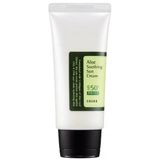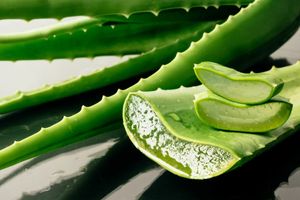

Aloe vera is a real treasure for the skin. Its gel contains many useful substances that help moisturize, soothe and rejuvenate the skin. Many people use aloe as a natural skin care product because it is suitable for almost all skin types. In addition, this plant has anti-inflammatory and antibacterial properties, making it an ideal choice for fighting breakouts. Let's find out how to use aloe for facial care and what its main benefits are.
Benefits of Aloe for Facial Skin
Aloe vera is widely used in cosmetology due to its unique properties. It helps to preserve skin youthfulness, improve skin tone, and provide the necessary moisturizing. Regular use of this plant can significantly improve skin condition.
The main benefits of aloe for the face:
- Moisturizing the skin. Aloe gel penetrates deeply into the skin, providing intensive moisturizing. This is especially useful for people with dry skin that is prone to flaking and tightness.
- Fighting inflammation. Due to its anti-inflammatory and antibacterial properties, aloe helps reduce redness and accelerates the healing of acne and irritation.
- Skin rejuvenation. Vitamins C and E in aloe promote collagen production, which helps to reduce wrinkles and increase skin elasticity.
- Whitening effect. Aloe helps to lighten age spots and evens out skin tone, making it radiant and fresh.
- Protection against external factors. Antioxidants in aloe help the skin fight stress, pollution and UV exposure.
How to Use Aloe for the Face?
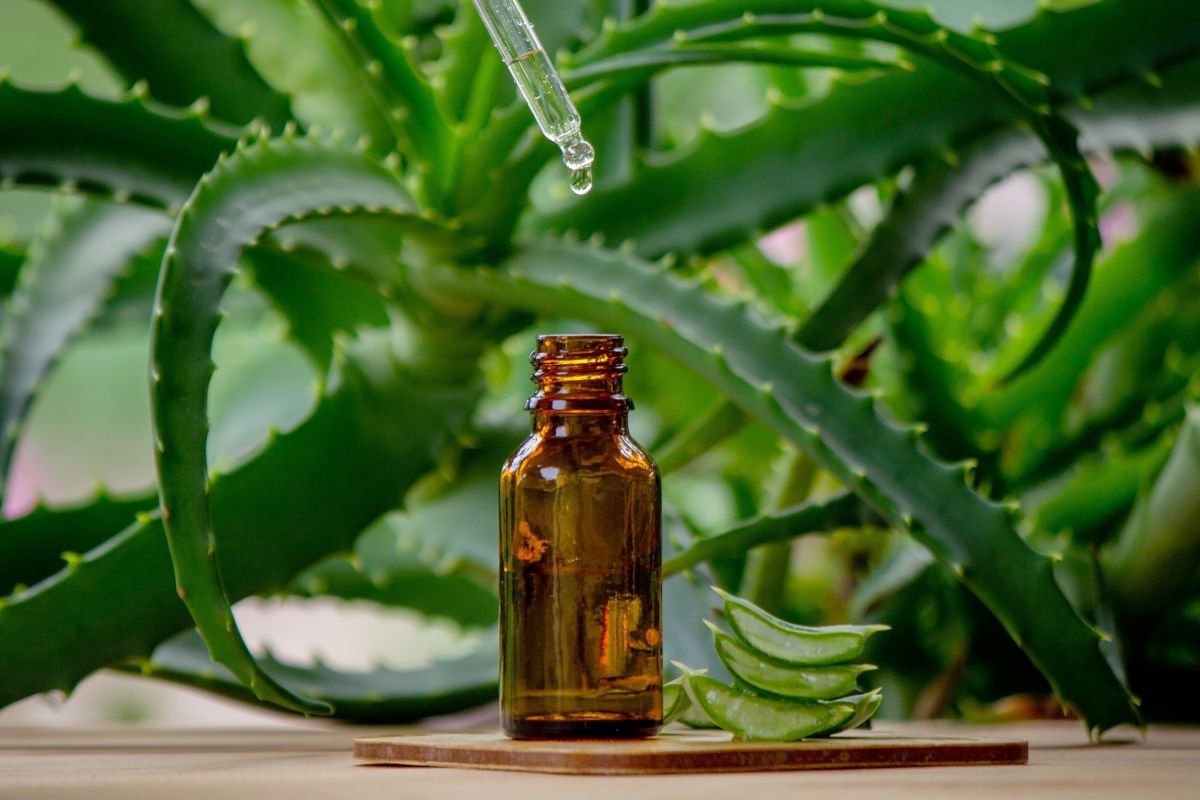
Aloe can be used both in its pure form and as part of masks or creams. The main thing is to prepare and apply it to the skin properly to get the maximum benefit.
How to use:
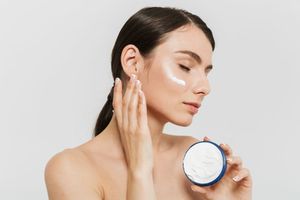
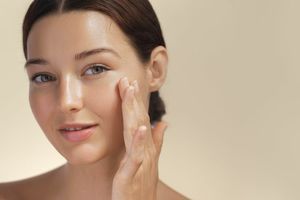
- As a moisturizing gel. Apply pure aloe gel to your face before bed instead of cream.
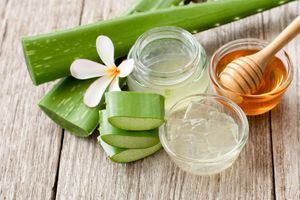
- As a mask. Mix aloe gel with other ingredients, such as honey or yogurt, to create nourishing masks.
- Spot application. Apply aloe to inflammation and acne to speed up its healing.
- As an after-sun treatment. Apply aloe gel after sun exposure to soothe the skin.
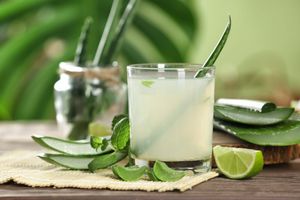
- As a toner. Dilute aloe with water and use as a refreshing facial toner.
How to Make Aloe Gel at Home?
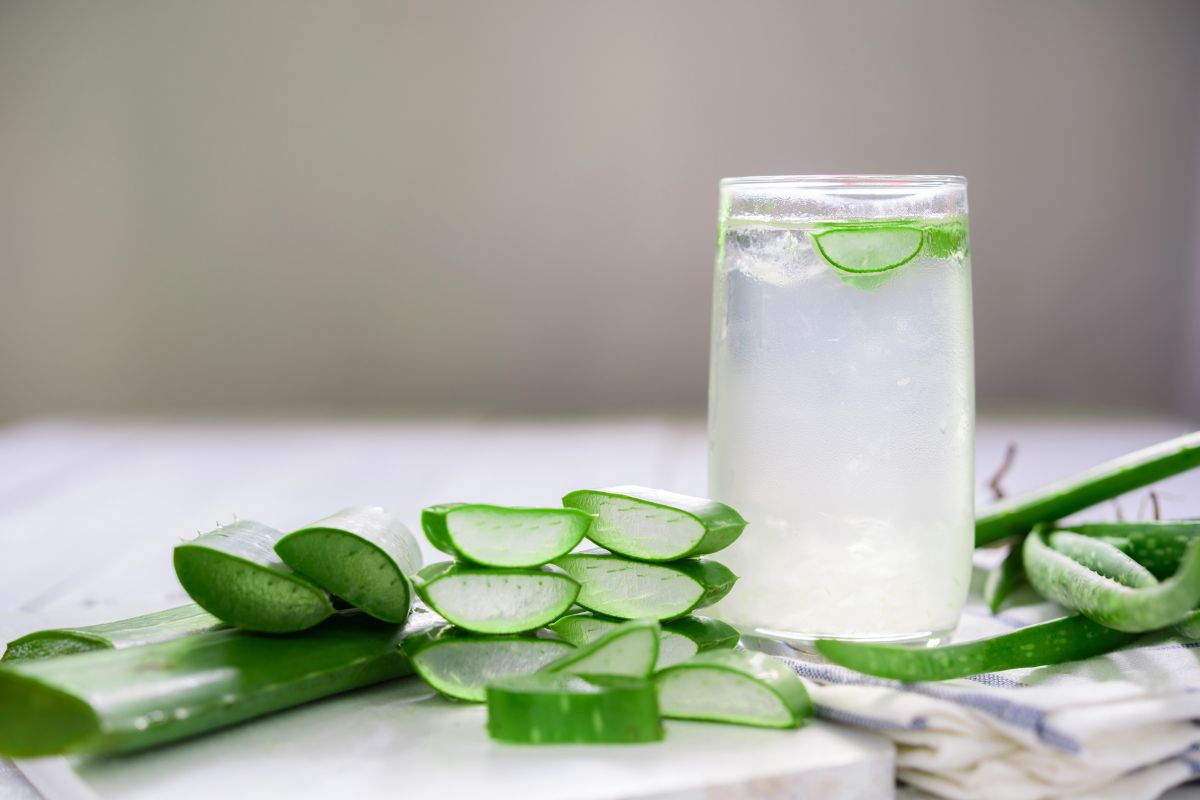
Natural aloe gel can be easily obtained on your own using fresh leaves of the plant. This will allow you to get a pure product without preservatives and chemical additives.
Stages of preparation:
- Choosing a leaf. Take a mature, thick aloe leaf from the bottom of the plant.
- Cleaning. Wash the leaf under running water, then cut off the edges.
- Remove the peel. Cut the leaf lengthwise and scrape off the transparent gel with a spoon.
- Storage. Store the gel in a glass container in the refrigerator for no more than two weeks.
- Adding preservatives. If you need to extend the shelf life, you can add a few drops of vitamin E or lemon juice.
Precautions and Contraindications
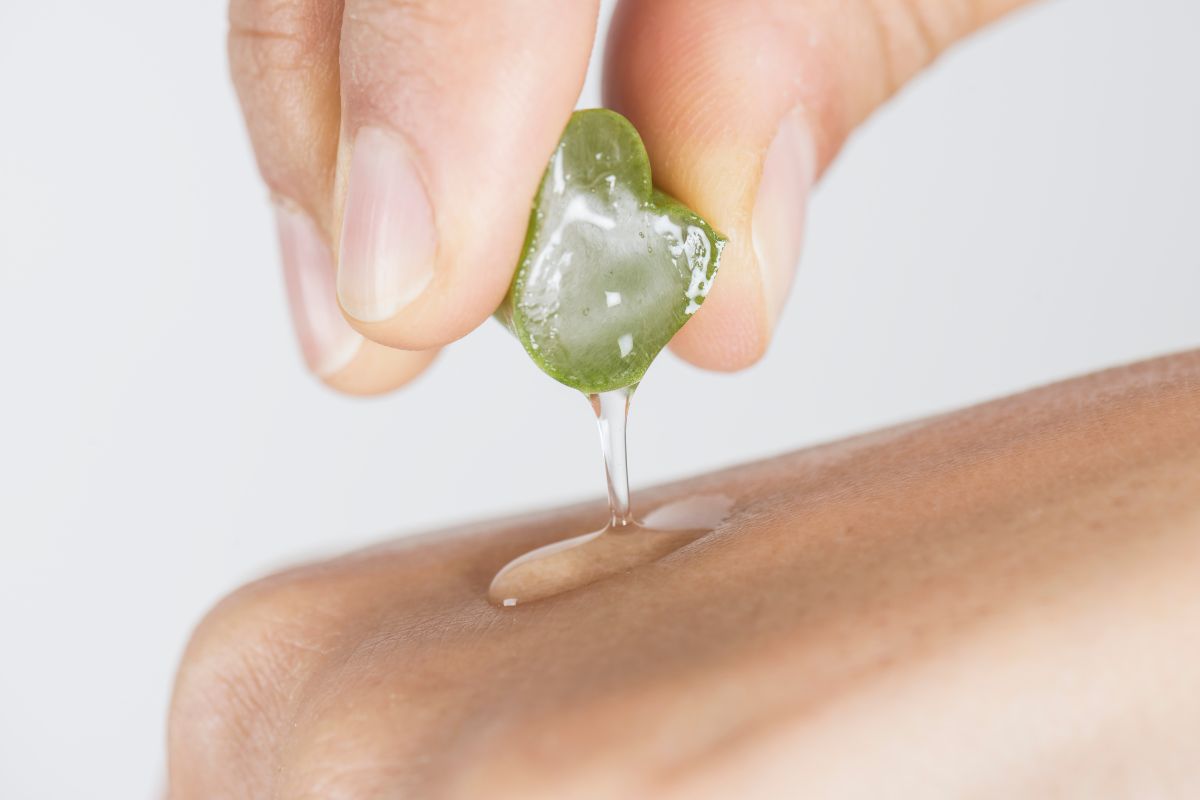
Despite its many beneficial properties, aloe can cause allergic reactions or be unsuitable for certain skin types. It is worth checking your body's reaction before use.
Basic precautions:
- Allergy test. Before first use, apply a little gel to your wrist and wait 24 hours.
- Do not use on open wounds. Aloe can cause irritation on fresh wounds or deep cuts.
- Avoid contact with eyes. If the gel gets into eyes, rinse them with plenty of water.
- Not recommended during pregnancy. Aloe may have a mild laxative effect, so its internal use should be avoided.
- Do not use in case of individual intolerance. If redness or itching occurs, discontinue use.
Aloe vera is a natural and effective skin care product. It helps to moisturize, soothe and rejuvenate the skin, while remaining affordable and easy to use. However, it is important to follow the recommendations for use and take into account possible contraindications. If used correctly, aloe will become an indispensable tool in skin care.