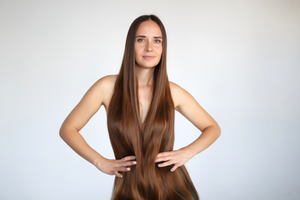

Sometimes it seems that hair starts to leave us without warning - on a pillow, a comb, or in the bathroom after washing. This can be really stressful, especially if you haven't had such problems before. Hair loss is a common occurrence, but when it becomes too much, you should wonder what exactly is going on. The good news is that it's not always a sign of something serious, and in most cases, the situation can be remedied. The main thing is to understand the cause in time and choose the right approach to care.
Causes of severe hair loss
Our hair is not just aesthetics, but also an indicator of health. Often, severe hair loss is a signal of internal changes or external influences. It can be temporary or become a chronic problem if ignored. And although sometimes it seems that “hair is just shedding,” in most cases there is something specific behind it. Understanding the causes is the first step to healthy, thick hair.
The most common causes:
- Hormonal changes (pregnancy, childbirth, menopause, thyroid problems)
- Stress, emotional exhaustion
- Vitamin deficiency (especially iron, vitamin D, B12 deficiency)
- Improper nutrition
- Rigid diets or sudden weight loss
- Effects of medications or medical procedures
- Frequent use of hot tools, aggressive coloring
- Diseases of the scalp (dermatitis, fungus, psoriasis)
When should you visit a doctor?
If your hair is falling out in clumps or you notice bald spots, you shouldn't put off visiting a trichologist or dermatologist. A particularly alarming signal is the combination of hair loss with other symptoms: brittle nails, dry skin, fatigue, sleep or mood problems. Your doctor will help you find out if this is the result of a hormonal imbalance, thyroid problems, anemia, or even an autoimmune process. In some cases, it is necessary to take blood tests or undergo an ultrasound examination. Timely diagnosis helps to avoid more serious problems in the future. If the loss does not stop for more than 2-3 months, even with a change of care, this is also a reason for a consultation. The doctor will be able to prescribe both medication and professional products with proven effectiveness.
Home methods to stop hair loss
Before you run to the pharmacy, you should give natural methods a chance. Home care is not only effective but also enjoyable, especially when it includes aromatic oils, massages, and self-care rituals. These methods do not give an immediate effect, but they can significantly strengthen hair and improve the condition of the scalp in just a few weeks. The key is regularity and patience.
Try these approaches:
- Massage the scalp daily for 5-10 minutes to improve blood circulation
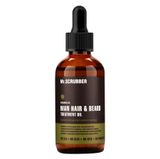
- Rubbing rosemary oil, castor oil or burdock oil
- Aloe vera or honey masks
- Use of rinses made from nettle, chamomile, sage decoctions
- Adding more protein, iron, and omega-3 fatty acids to the diet
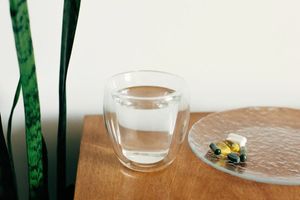
- Use of vitamin complexes for hair after consulting a doctor
Professional products and procedures
When home care fails, modern cosmetology comes to the rescue. Today, there are many products designed specifically to combat hair loss - with scientifically proven composition and clinically proven effectiveness. It is only important to choose the right product for your hair type and problem.
Popular products and procedures:
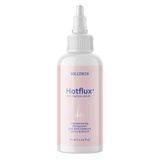
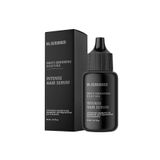
- Pharmacy ampoules with active ingredients (for example, aminexil, biotin, caffeine)
- Mesotherapy - injections of vitamins and trace elements into the scalp
- Darsonvalization - microcurrents to stimulate growth
- Laser combs or special lamps
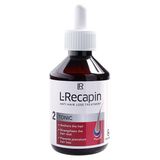
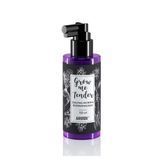
- Professional shampoos and tonics against hair loss
Tips for proper care
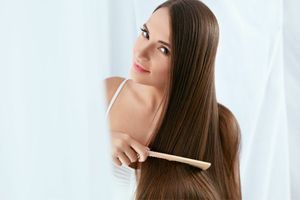
Sometimes it is enough to change your habits to stop hair loss. Wash your hair with lukewarm water, not hot water, to reduce drying of the skin. Don't rub your hair with a towel - only wetting it will preserve the cuticle. Avoid using curling irons and flat irons on a daily basis, and if you do, be sure to apply thermal protection. Choose sulfate-free shampoos that do not irritate the scalp. Comb your hair gently, starting from the ends.
It's also important not to braid your hair too tightly, as this will injure the roots. Don't forget about seasonal care: in winter, hair needs more nutrition, and in summer, it needs sun protection. And most importantly, don't neglect regular sleep, diet, and sufficient water. All of this directly affects the condition of your hair.
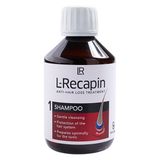
Severe hair loss is not a sentence, but a wake-up call about the need for care. Proper care, a healthy diet, and a little patience can restore strength and shine to your hair. If you are looking for an effective product that will be the first step towards recovery, pay attention to LR Recapin anti-hair loss shampoo. Its active formula strengthens the roots, reduces brittleness and stimulates the growth of new hair - it's worth a try to see the difference. Remember: beauty begins with self-love and attention to your body's signals.