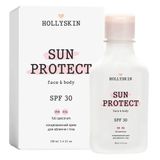

Using sun protection products with a Sun Protection Factor (SPF) is essential for maintaining the health and appearance of your skin. A sunscreen or sun lotion with SPF helps protect your skin from harmful ultraviolet (UV) rays, which can cause serious skin damage and accelerate the aging process.
Here Are Some Reasons Why Using SPF Is So Important:
- Protection Against Sunburn: UV rays can cause sunburn, which is characterized by redness, inflammation, and skin irritation. Using an SPF product helps prevent these unpleasant effects and provides your skin with the protection it needs.
- Prevention of Premature Skin Aging: UV rays can damage collagen and elastin, the proteins responsible for keeping skin firm and youthful. This may lead to wrinkles, pigmentation, and other visible signs of premature aging. Using SPF helps maintain healthy-looking skin and reduces the risk of early aging.
- Reducing the Risk of Skin Cancer: UV radiation is one of the leading causes of skin cancer. Prolonged exposure to UV rays can damage the DNA in skin cells and contribute to the development of malignant tumors. Regular use of SPF helps lower the risk of skin cancer.
- Maintaining an Even Skin Tone: UV rays can cause hyperpigmentation, dark spots, and uneven skin tone. Using SPF helps prevent these concerns and supports a healthy, even complexion.
Practical Tips and Recommendations
Below are some practical tips and recommendations for choosing and using SPF products:
- Choose the Right SPF Product for Your Skin Type: There is a wide range of SPF products available, specially formulated for different skin types. If you have dry skin, look for moisturizing formulas. If your skin is oily or acne-prone, choose lightweight, non-comedogenic products that won't clog pores. You should also consider any specific needs, such as SPF products for sensitive skin or children.
- Apply SPF Every Day, Regardless of the Weather: UV rays can penetrate clouds and reach your skin even on overcast days. That's why it is important to apply SPF daily, no matter the weather. This helps protect your skin from harmful ultraviolet radiation year-round.
- Apply a Generous Amount and Reapply Regularly: For optimal sun protection, apply a sufficient amount of SPF product to all exposed skin. It is generally recommended to use about 30 ml (approximately one ounce or a shot glass full) for full-body application. Reapply every two hours, or immediately after swimming, sweating, or towel drying, even if the product claims to provide longer-lasting protection.
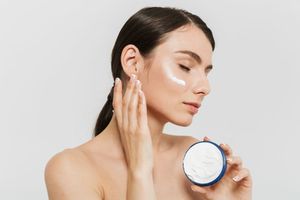
- Pay Special Attention to Vulnerable Areas: The face, lips, neck, ears, hands, and other exposed areas are particularly vulnerable to sun damage. Use facial sunscreens that are suitable for your skin type and won't clog pores or cause irritation. Don't forget to protect your lips with a lip balm containing SPF.
- Use Additional Sun Protection: Along with sunscreen, wear protective clothing such as a wide-brimmed hat, long-sleeved shirts, and long pants when spending time outdoors. It's also advisable to avoid direct sun exposure during peak UV hours, typically between 10:00 a.m. and 4:00 p.m.
These are general recommendations, and the best skincare routine may vary depending on your individual needs and the advice of your dermatologist. Always consult a qualified healthcare professional for personalized skincare guidance.
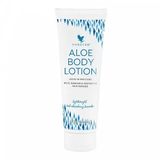
Forever Aloe Sunscreen by Forever Living for Effective Sun Protection and Healthy Skin
Forever Aloe Sunscreen by Forever Living is a broad-spectrum SPF 30 sunscreen that helps protect your skin while locking in moisture with soothing aloe vera. Gentle yet effective, it provides reliable sun protection for the whole family wherever your adventures take you. Thanks to its broad-spectrum SPF 30 formula, it helps shield your skin from both UVA and UVB rays, allowing you to enjoy the outdoors with confidence.
Remember that using an SPF product is one of the most important steps in your daily skincare routine. It not only helps keep your skin healthy and youthful but also plays a vital role in preventing serious skin damage and reducing the risk of skin-related diseases.